Skagit County occupies a distinctive position in the Pacific Northwest real estate market — far enough from Seattle to offer meaningfully lower prices, close enough to I-5 to remain a viable commuting location, and distinct enough in character to attract buyers who are not just seeking affordability but something specific about how this part of Washington feels.
The county covers roughly 1,900 square miles, from the San Juan Islands to the west to the North Cascades to the east. Its communities range from the small city of Mount Vernon to rural farmland townships, waterfront villages, and foothills communities. Each has its own price dynamics, inventory patterns, and buyer profile.
Mount Vernon
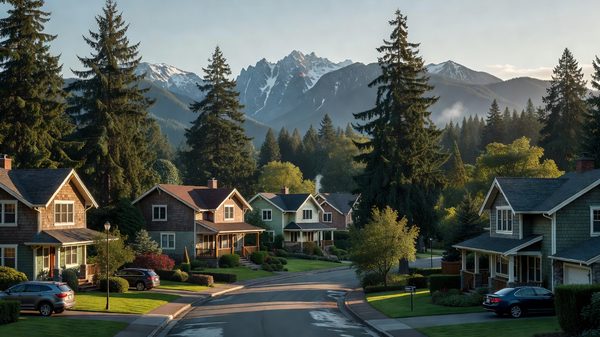
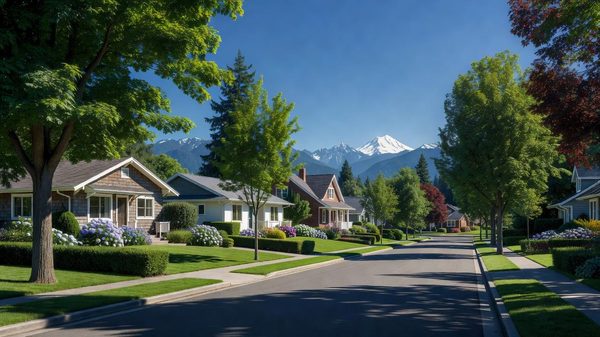
Mount Vernon is the county seat and the most active real estate market in Skagit County. It offers the broadest range of property types at the broadest range of price points — from older downtown homes to newer construction in suburban subdivisions to larger lots on the city’s eastern edges.
The I-5 corridor runs through Mount Vernon, making it the primary commuter hub for residents who work in Bellingham to the north or in the greater Seattle area to the south. This accessibility has sustained demand even as prices have risen. Median sale prices in Mount Vernon have historically tracked slightly below comparable communities in Snohomish County, though that gap has narrowed.
Burlington
Burlington sits south of Mount Vernon and offers strong commercial access alongside residential options at generally competitive price points. Its proximity to the Skagit Valley Hospital complex and major retail employment makes it a practical choice for many buyers.
The community has seen consistent new construction activity, which keeps inventory somewhat higher than in communities like La Conner or Anacortes where buildable lots are more limited. Buyers who want newer construction at a moderate price point often find Burlington more accommodating than the county’s western communities.
Anacortes
Anacortes commands a premium in Skagit County’s market. Situated on Fidalgo Island, it offers ferry access to the San Juan Islands and direct water views that are simply unavailable at comparable prices anywhere in the greater Seattle region.
The Anacortes market is more constrained in inventory than the inland communities — the island’s geography limits development, and turnover among long-term residents tends to be lower. When properties do come to market, they often attract buyers from outside the county who are specifically seeking island access and waterfront proximity. Expect prices meaningfully above the county median and a buyer pool that includes both primary residence and vacation property purchasers.
La Conner
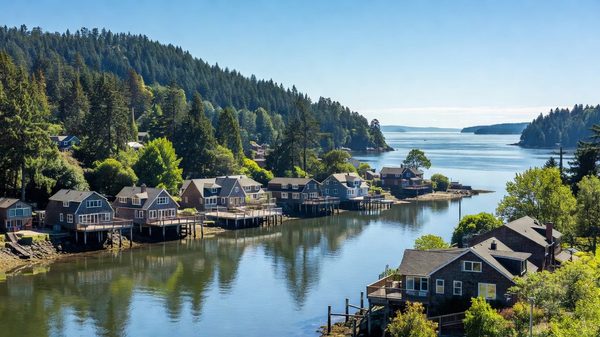
La Conner is one of the most distinctive communities in the Pacific Northwest — a small waterfront town with a strong arts identity, a well-regarded historic district, and a character that draws buyers who could live anywhere but choose this specific kind of place.
The real estate market here is small by volume but not by price. Waterfront and near-waterfront properties carry significant premiums. The buyer profile skews toward people relocating from larger cities who are prioritizing quality of life over commute convenience. La Conner offers almost none of the latter; it offers a great deal of the former.
Sedro Woolley
Sedro Woolley offers the most accessible entry points in the county for buyers working with tighter budgets or seeking larger lots without the premium that waterfront location commands. Located east of Burlington along the Skagit River, it sits closer to the Cascades foothills and serves as a gateway to North Cascades National Park.
The trade-off is commute time — Sedro Woolley is meaningfully further from I-5 than Mount Vernon or Burlington, which influences its price positioning. For buyers who work locally or remotely, that trade-off may be worth the additional space and lower cost of entry.
Conway and Fir Island
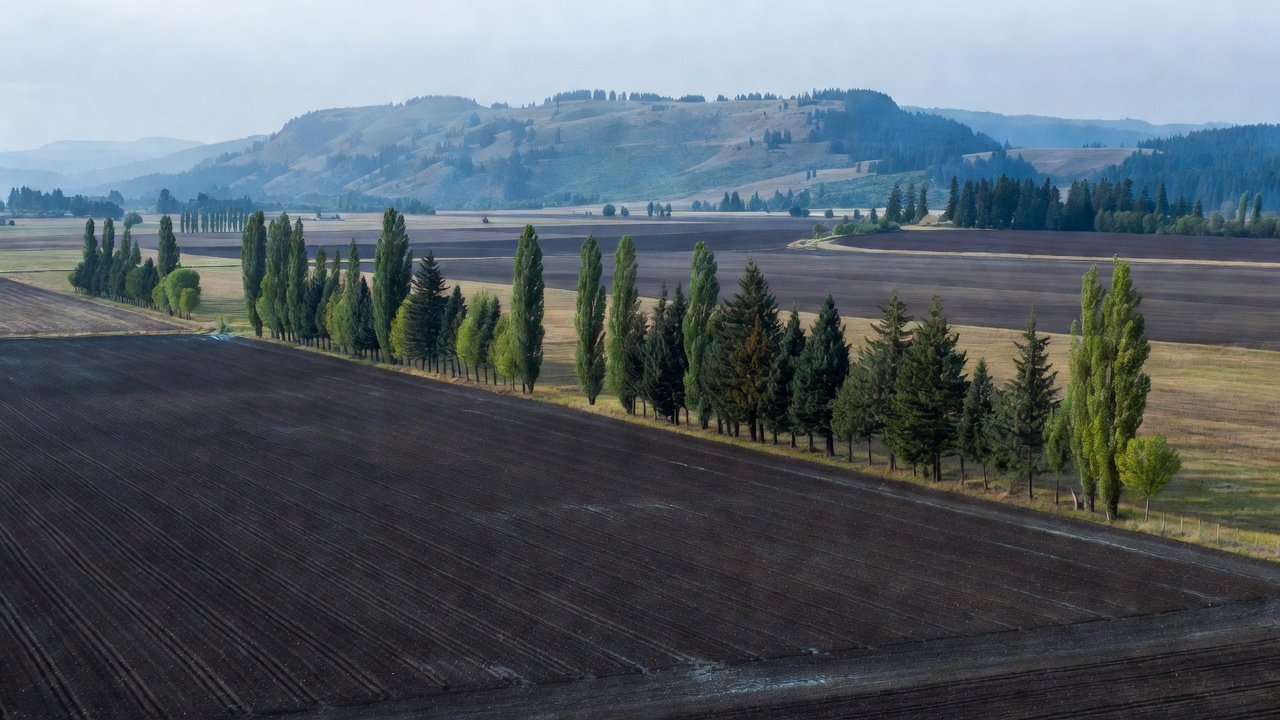
The Conway area and Fir Island south of Mount Vernon represent some of the most distinctive agricultural land in the county. The Skagit Delta is among the most productive farmland in Washington, and properties here often involve agricultural zoning, working fields, or historic farm structures.
This is specialty market territory. Buyers interested in Conway and Fir Island typically have specific motivations — farming, land investment, or a preference for the flat delta landscape and wide open views that the area offers. Due diligence on agricultural-zoned properties involves different considerations than standard residential purchases: water rights, drainage easements, soil classifications, and applicable farm subsidy programs all matter.
Rural and Acreage Properties
Skagit County has significant rural inventory beyond its incorporated communities. Larger acreage parcels are available throughout the county, often at prices per square foot that are dramatically lower than urban alternatives — but with correspondingly different infrastructure realities. Well and septic systems, access easements, fire district response times, and broadband availability are all factors that matter more in rural Skagit County than in its cities.
If you are considering rural property, work with an agent who has specific experience in this segment of the market. The due diligence process differs meaningfully from a standard residential transaction.
Market Patterns
Skagit County real estate has followed broader Pacific Northwest trends — rising steadily through the 2020–2022 period, moderating somewhat as interest rates increased, and finding a new equilibrium that still reflects the area’s fundamental appeal. Inventory remains tighter than historical norms in most segments, particularly for move-in-ready homes in the lower and middle price ranges.
The spring season, which coincides with the Skagit Valley Tulip Festival, typically brings increased buyer activity and slightly compressed transaction timelines. Most county transactions are recorded through the Northwest Multiple Listing Service, the regional MLS covering northwest Washington. Fall tends to be more measured, with sellers who remain active in Q4 often more motivated than those who listed in peak season.